
How Long Do Galvanized Pipes Last? Lifespan, Warning Signs & When to Replace
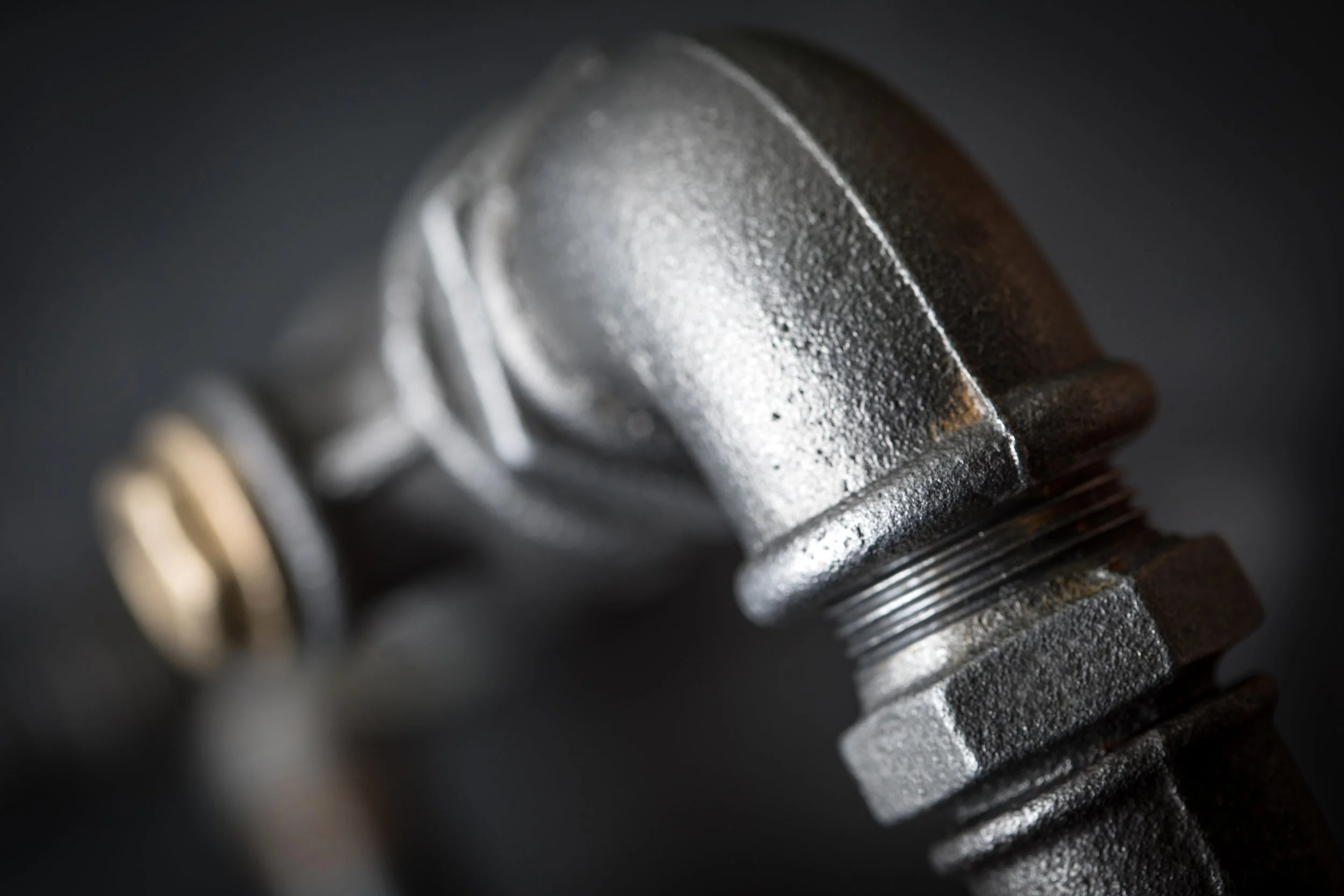
Galvanized steel pipes were widely installed in homes from the 1940s through the late 1970s. At the time, they were considered durable and corrosion-resistant due to their protective zinc coating.
But galvanized pipes do not last forever.
If your home still has original galvanized plumbing, understanding its expected lifespan—and how deterioration progresses—can help you plan proactively rather than react to leaks.
For a broader understanding of aging plumbing systems, review the complete guide to repiping older homes here:
The Complete Guide To Repiping Older Homes
Average Lifespan of Galvanized Pipes
Most galvanized steel pipes last between 40 and 60 years.
However, lifespan depends on several factors:
Water chemistry (hard water accelerates buildup)
Usage volume
Pipe diameter
Installation quality
Environmental conditions
If your home was built before 1980 and still has original galvanized piping, it is likely in or beyond the common replacement window.
Why Galvanized Pipes Fail Over Time
Galvanized pipes are steel pipes coated with zinc. That zinc coating is designed to prevent rust.
Over decades, the zinc layer deteriorates. Once exposed, the steel underneath begins to corrode.
Corrosion develops from the inside out, causing:
Internal rust buildup
Mineral scale accumulation
Narrowed water flow
Weakened pipe walls
Eventual pinhole leaks
This process is gradual and often invisible until symptoms appear.
Learn more about the warning signs here:
What Are The Signs Of Failing Galvanized Pipes?
Early Signs Galvanized Pipes Are Reaching the End of Their Lifespan
Brown or rusty water
Gradually declining water pressure
Frequent small leaks in different areas.
Visible corrosion on exposed pipe sections
If you are noticing more than one of these symptoms, aging pipe failure is likely underway.
Can Galvanized Pipes Last Longer Than 60 Years?
Some systems do exceed 60 years, especially in homes with favorable water conditions.
However, exceeding the typical lifespan increases risk of:
Sudden pipe failure
Interior water damage
Foundation damage (in slab homes)
Escalating repair costs
The key question is not “Can they last longer?”
It is “What risk level are you comfortable carrying?”
Should You Replace Galvanized Pipes Before They Leak?
Many homeowners wait until a visible leak occurs.
The problem with that approach is:
By the time one leak appears, corrosion has often spread throughout the system.
Repairing isolated sections does not restore structural integrity to aging pipe walls.
If your home is within the 40–60 year window and showing warning signs, reviewing whether your house needs repiping may provide clarity:
How Do I Know If My House Needs Repiping?
Galvanized Pipes vs. Modern Plumbing Materials
Modern repiping typically uses:
PEX piping
Copper piping
Both offer improved corrosion resistance and greater reliability of water flow compared to aging galvanized steel.
For a full comparison of modern options, see:
PEX vs Copper Repipe: Which Is Better for Older Homes?
When to Schedule a Professional Evaluation
Consider evaluation if:
Your home was built before 1980
You’ve experienced declining water pressure
Water appears discolored
You’ve repaired multiple leaks
You are planning a remodel
The goal is to replace aging plumbing under controlled conditions — not during an emergency.
For a comprehensive breakdown of the repiping process, return to the full guide here:
The Complete Guide To Repiping Older Homes
Frequently Asked Questions About Galvanized Pipe Lifespan
How long do galvanized steel pipes typically last?
Most galvanized pipes last between 40 and 60 years, depending on water chemistry and environmental conditions.
What causes galvanized pipes to fail?
Galvanized pipes fail due to internal corrosion. Over time, the protective zinc coating deteriorates, exposing the steel beneath to rust and mineral buildup.
Can galvanized pipes be repaired instead of replaced?
Isolated leaks can be repaired, but widespread corrosion often makes full replacement the more reliable long-term solution.
Are galvanized pipes dangerous?
While rust itself is not typically toxic, corroded pipes can affect water quality and restrict flow. Aging systems should be evaluated professionally.
Do all homes with galvanized pipes need repiping?
Not immediately. However, homes with original galvanized plumbing over 40 years old are commonly in the replacement window and should be evaluated for risk.