
Why Is My Water Brown or Rusty in an Older Home? Causes, Risks & When to Repipe
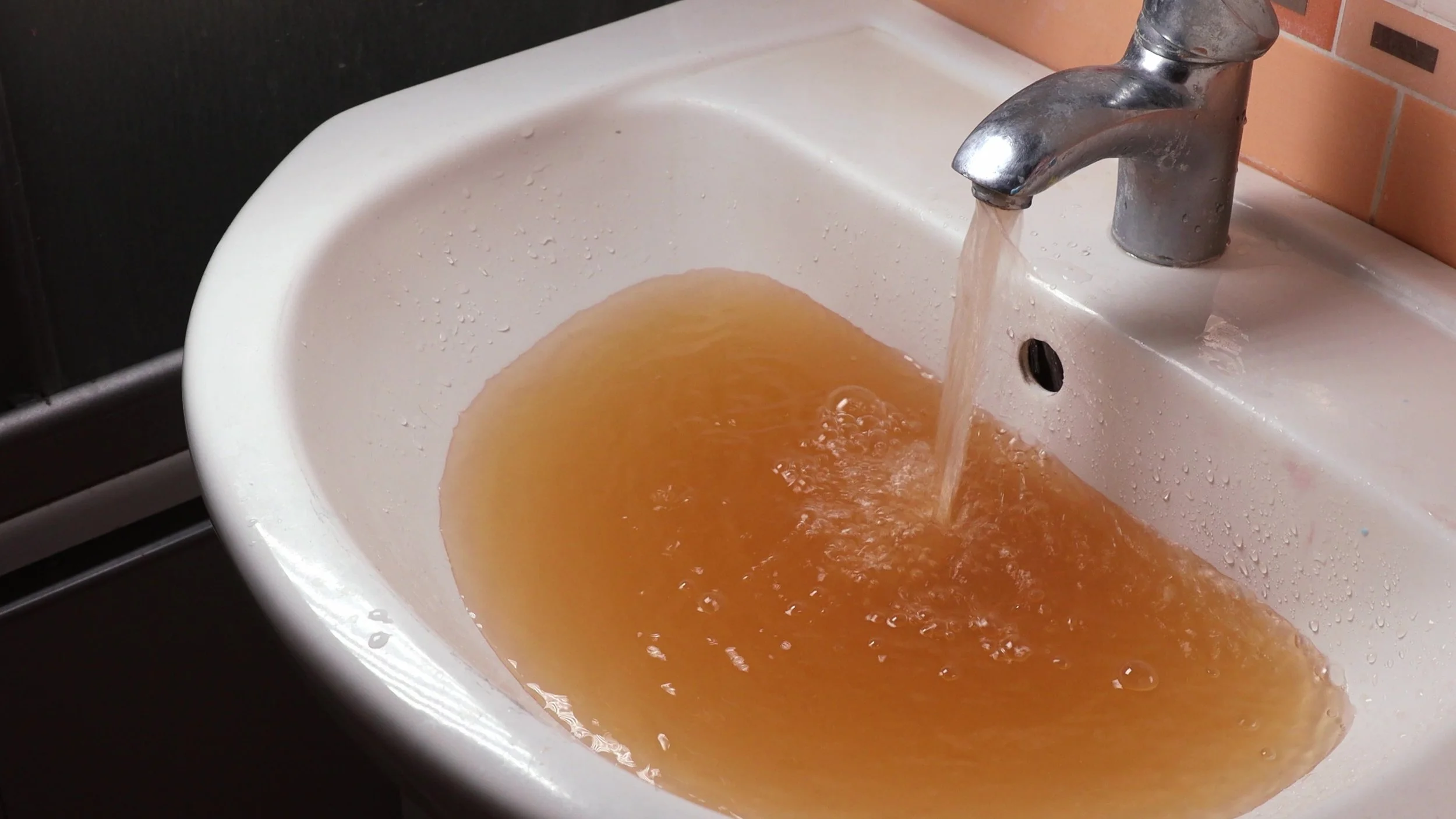
Turning on your faucet and seeing brown or rusty water is alarming.
In older homes, discolored water is often one of the earliest and clearest signs of aging plumbing failure. While not every case requires full repiping, brown water should never be ignored.
If your home was built before the 1980s and still has original plumbing, understanding the cause is critical.
For a full overview of aging supply lines, review the complete guide to repiping older homes here:
The Complete Guide To Repiping Older Homes
What Causes Brown or Rusty Water in Older Homes?
In most older homes, brown water is caused by internal pipe corrosion.
The most common source is galvanized steel piping.
Galvanized pipes are coated in zinc to prevent rust. Over time, that coating deteriorates. Once the steel underneath is exposed, corrosion begins forming inside the pipe.
Rust flakes and sediment can break loose and travel through your water supply, causing:
Brown discoloration
Cloudy water
Sediment in sinks or tubs
Clogged faucet aerators
Learn more about the warning signs of failing galvanized pipes here:
What Are The Signs Of Failing Galvanized Pipes?
Is Brown Water Dangerous?
Rust itself is not typically toxic. However, brown water may indicate:
Advanced pipe corrosion
Reduced structural integrity
Possible sediment contamination
Water flow restriction
Even if it is not immediately hazardous, it is often a symptom of aging infrastructure.
If your home is over 40 years old and experiencing water discoloration, you may want to review whether your house needs repiping:
How Do I Know If My House Needs Repiping
Why Does Brown Water Sometimes Clear After Running the Faucet?
In some cases, brown water appears first thing in the morning or after returning from travel.
This happens because:
Water sitting in corroded pipes absorbs rust particles
Once flushed, clearer water may temporarily return
However, clearing after a few minutes does not mean the problem is resolved. It often means corrosion is ongoing inside the system.
Brown Water vs. Water Heater Issues
Not all brown water originates from supply lines.
Possible sources include:
Failing water heater tank
Sediment buildup in heater
Municipal supply disturbances
To test:
Run cold water from multiple fixtures.
If discoloration appears only in hot water, the issue may be heater-related.
If both hot and cold are brown, aging supply pipes are more likely the cause.
Other Symptoms That Often Accompany Brown Water
Declining water pressure
Hidden pipe leaks
Frequent plumbing repairs
Original galvanized piping over 40 years old
If multiple symptoms are present, corrosion may be widespread.
Can Brown Water Be Fixed Without Repiping?
Short-term solutions may include:
Flushing the system
Replacing faucet aerators
Replacing isolated pipe sections
However, if corrosion is systemic, these fixes are temporary.
Galvanized pipes typically last 40 to 60 years. If your home falls within or beyond that window, full replacement may be the more reliable long-term solution.
Learn more about pipe lifespan here:
How Long Do Galvanized Pipes Last?
When to Schedule a Plumbing Evaluation
You should consider a professional evaluation if:
Water discoloration is consistent
Pressure continues to decline
Your home has original galvanized piping
You’ve repaired multiple leaks
Your home is 40+ years old
The earlier you evaluate the system, the more control you maintain over timing and cost.
For a full overview of repiping options, return to the main guide here:
The Complete Guide To Repiping Older Homes
Frequently Asked Questions About Brown or Rusty Water in Older Homes
Why is the water in my older house brown?
Brown water is commonly caused by internal corrosion in aging galvanized pipes. Rust flakes can break loose and enter the water supply.
Is brown water safe to drink?
While rust itself is generally not toxic, brown water may indicate deteriorating plumbing and should be evaluated.
Why does my water turn brown after sitting overnight?
Water sitting in corroded pipes absorbs rust particles. When you first turn on the faucet, discoloration may appear before clearing.
Can a water heater cause brown water?
Yes. If discoloration occurs only with hot water, sediment buildup or tank corrosion may be the cause.
Does brown water mean I need to repipe my house?
Not always. However, if your home has original galvanized plumbing over 40 years old and other symptoms are present, repiping may be recommended.