
Will Repiping Damage My Walls? What to Expect During Installation
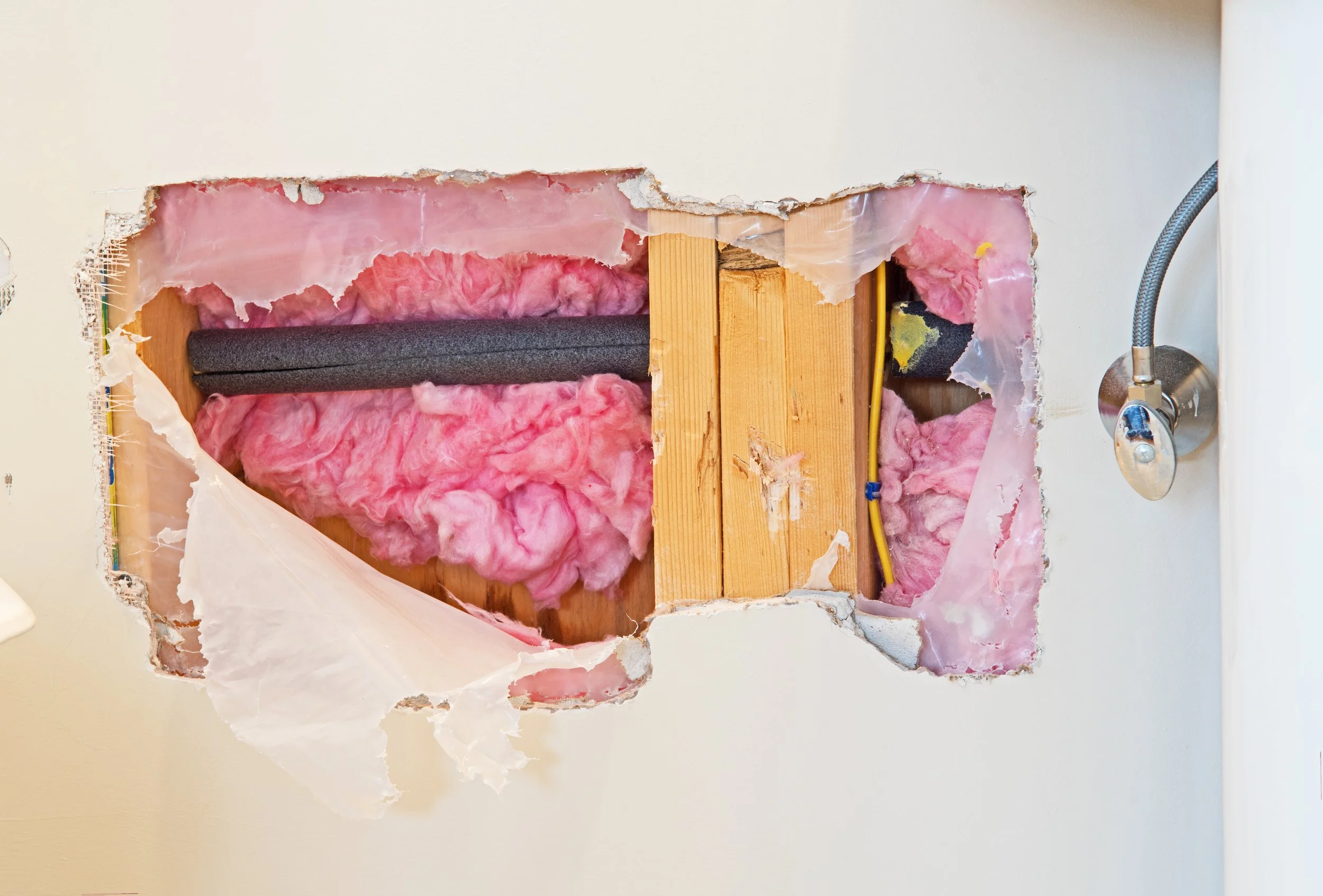
One of the most common concerns about repiping is wall damage.
Homeowners imagine widespread drywall removal and major reconstruction.
In reality, modern repiping techniques are designed to minimize disruption.
For a full overview of the process, see:
The Complete Guide To Repiping Older Homes
How Access Points Are Created
To replace supply lines, small strategic access openings are made in:
Drywall
Ceilings
Closets
Behind vanities
These openings allow plumbers to remove or bypass old lines and install new piping.
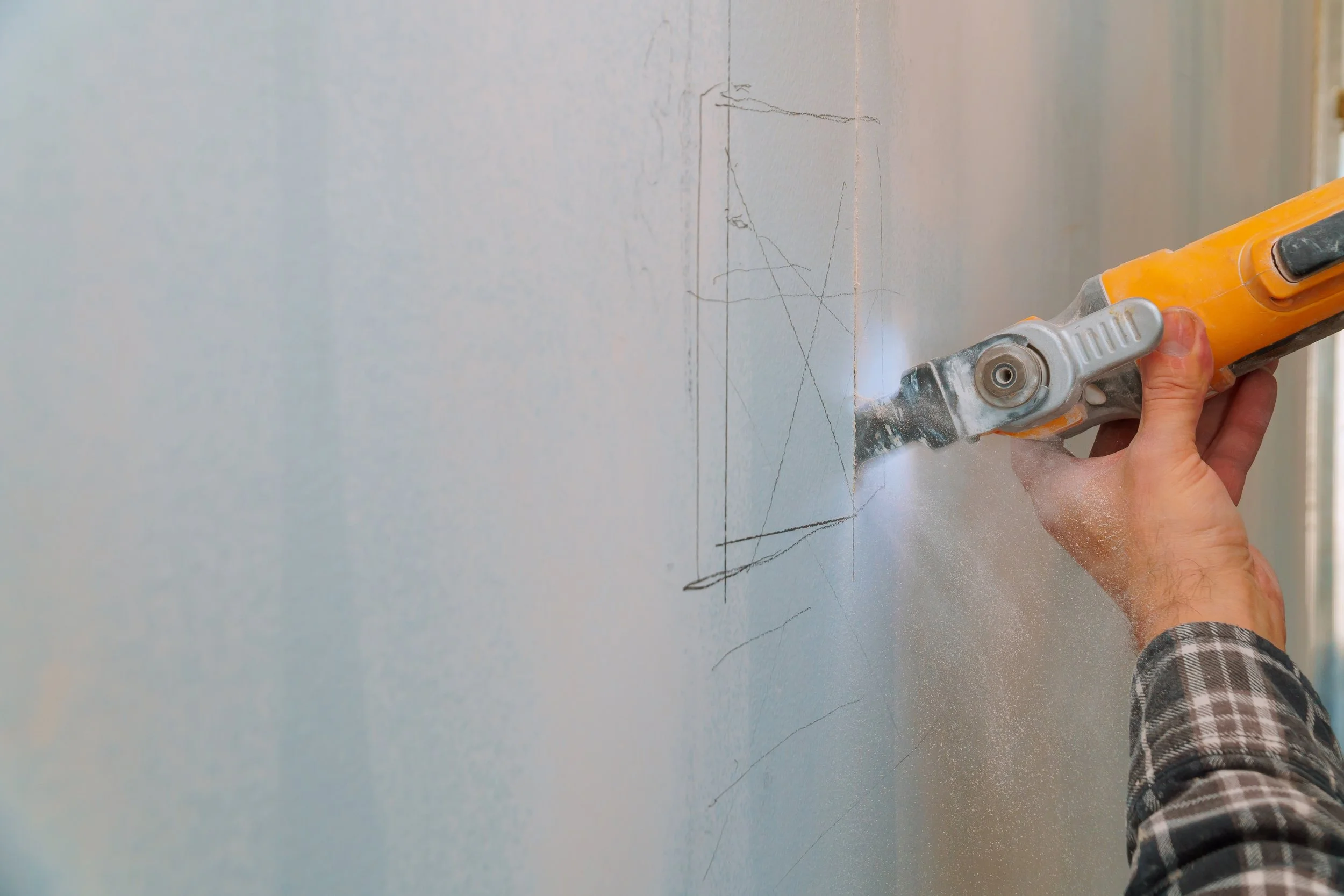
How Much Wall Damage Should You Expect?
Most repipes involve:
Targeted access holes
Limited drywall removal
Controlled restoration
The number of openings depends on:
Home layout
Pipe routing
Material selection
Attic or crawlspace access
Flexible materials like PEX often require fewer openings.
Will Floors Be Cut Open?
In most cases, no.
Modern repiping avoids cutting into slab foundations by rerouting lines through walls or attic spaces when possible.
If slab leaks are involved, see:
Hidden Pipe Leaks In Older Homes
What About Cleanup?
A professional repipe should include:
System pressure testing
Debris removal
Wall patch preparation
Drywall patching and paint touch-up may be handled separately, depending on the contractor's agreement.